
Products >> Railway Brake Spare parts >>
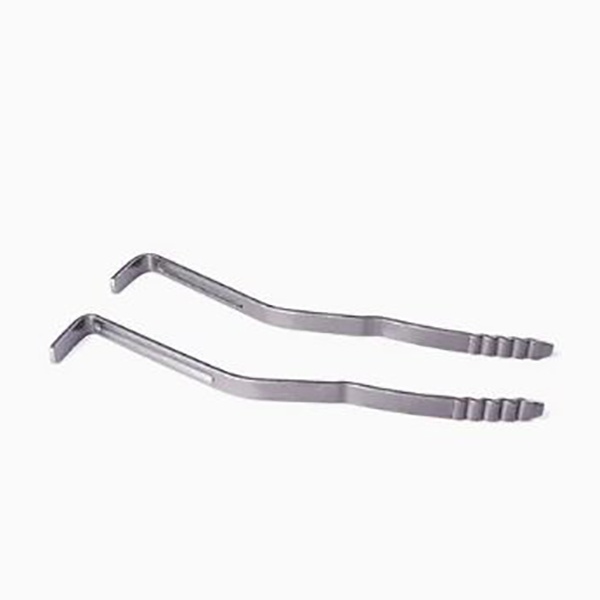
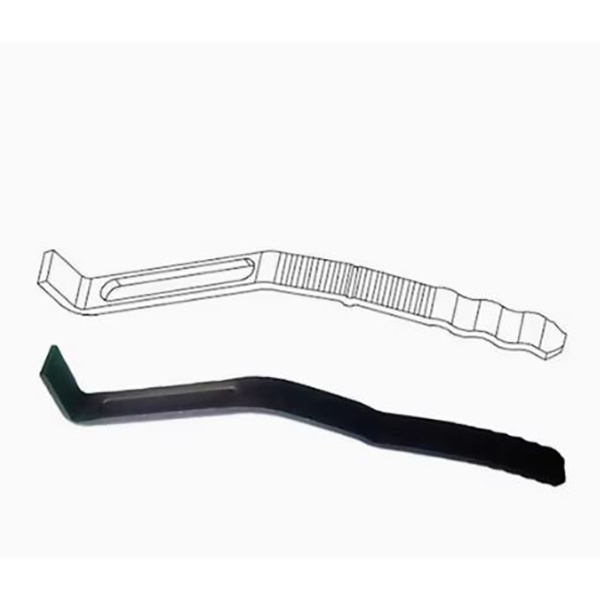
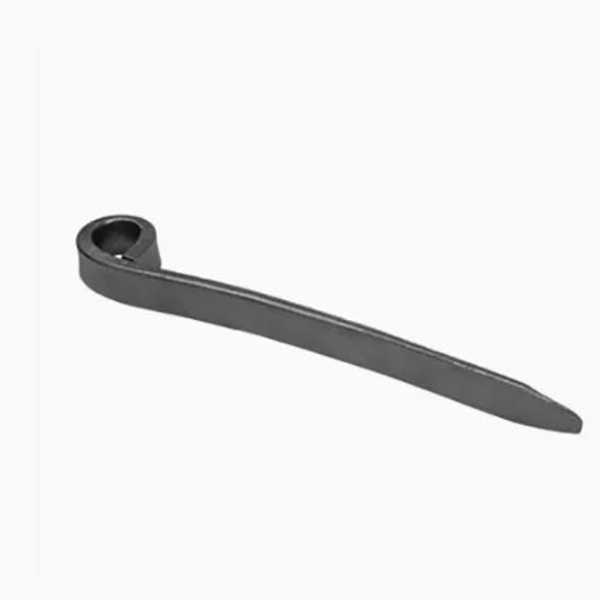
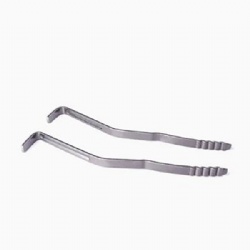
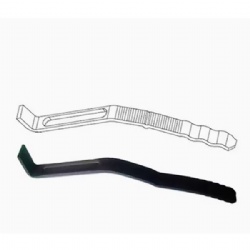
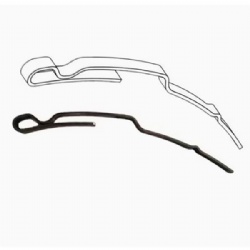
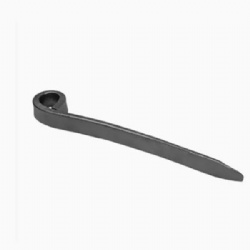
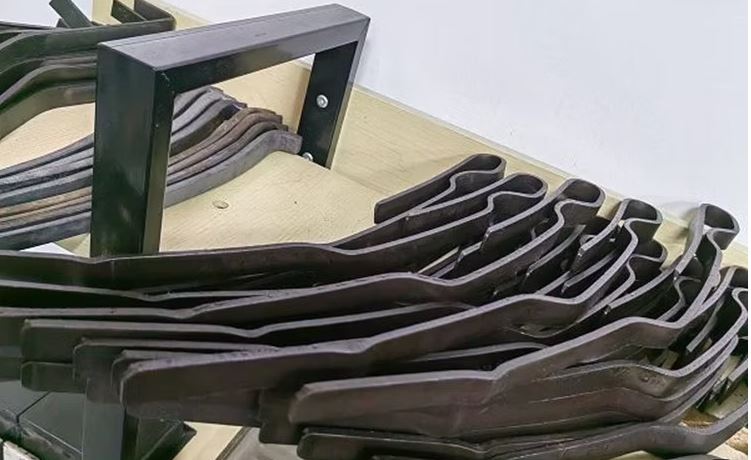
Spring Type Brake Shoe Lock Key of Freight Railcar Brake Assembly Component
- Product No.:202681152250
- Price:nogotiation
- Material:high-quality carbon steel
- Standard:AAR or GB
- mould charge:yes
- Production time:60
- weight:6kg
- Package:Wooden Box
Product Overview
The Railway Brake Shoe Key (also referred to as a brake shoe locking key or retaining key) is a critical fastener used to detachably connect a brake shoe to its brake head in railcar brake assemblies . Inserted through a keyway formed by the interfitting parts of the brake head and brake shoe backing plate, this component creates a secure mechanical connection that withstands the vibrations and shocks of railway service .
The spring type brake shoe key is manufactured to AAR S-376 specifications, representing the industry standard for North American freight railcar applications. Unlike traditional wedge-type keys which rely on a wedging effect and are subject to accelerated wear, the spring type key maintains tension when installed, providing consistent retention force throughout service and preventing loosening due to vibration .
Key Features & Technical Benefits
| Feature | Technical Benefit |
|---|---|
| AAR S-376 Standard Compliance | Conforms to Association of American Railroads specifications, ensuring 100% interchangeability with existing brake head and brake shoe designs |
| Spring Steel Construction | Manufactured from hardened and tempered spring steel, providing optimal spring tension and fatigue resistance under repeated loading |
| Spring Tension Retention | Creates spring-loaded engagement when driven into position; takes up play between brake head and shoe, preventing impact wear from vibration |
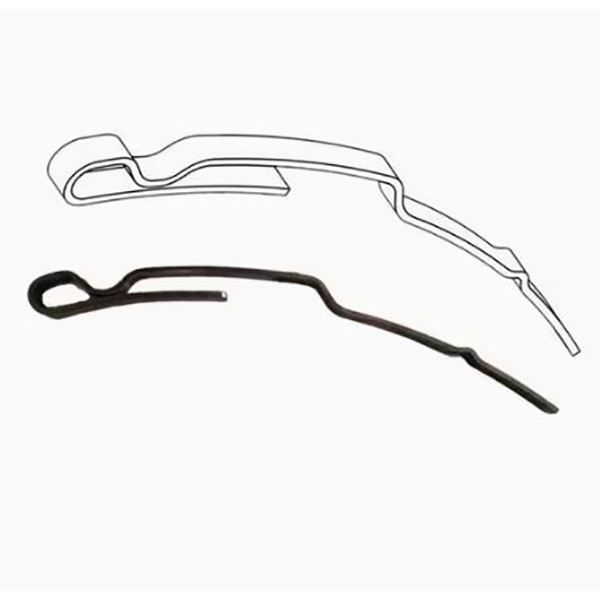
| Open-Loop Head Design | Features stop leg and pry leg with space for pry bar insertion, facilitating easy removal even when key is fully driven to locking position |
| Locking Detent Feature | Offset notch engages brake head latch portion in initial locking position, preventing undesired displacement in service |
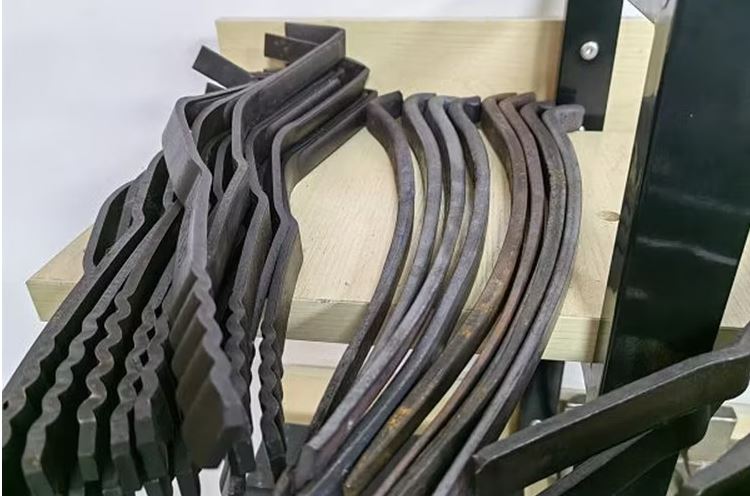
| Corrugated Shank | Corrugations on bottom arcuate section provide positive engagement with brake head keyway opening |
| Designed for Quick Replacement | Allows tool-less installation with hammer drive; removal with standard pry bar using accessible head design |
Quick Specifications
| Parameter | Specification |
|---|---|
| Product Type | Brake Shoe Retaining Key / Locking Key |
| Standard Compliance | AAR S-376 (Alternate Standard) |
| Key Type | Spring Type (under tension when installed) |
| Material | Spring Steel / Heat-treated Steel |
| Profile | Generally curvilinear shank with open-loop head |
| Locking Mechanism | Spring tension + detent notch engagement |
| Main Application | Freight Cars, Railcars, Locomotive Brake Assemblies |
Technical Data Sheet – AAR S-376 Spring Type Railway Brake Shoe Key
1. Scope of Application
This document defines the technical requirements, design specifications, and performance criteria for the spring type railway brake shoe key intended for use on freight cars, railcars, and railway braking systems. The brake shoe key is a removable fastener used to attach a brake shoe to its associated brake head, allowing for periodic replacement of worn brake shoes .
2. Applicable Standards & References
| Standard | Subject |
|---|---|
| AAR S-376 | Brake Shoe Keys – Specification and dimensional requirements |
| AAR M-1001 | Freight Car Brake Rigging Specifications |
| ASTM A109 | Steel Strip, Cold-Rolled, Carbon |
3. Functional Description
The brake shoe key serves as the primary retention mechanism between the brake shoe and brake head. When installed, the key is driven through a keyway formed by:
-
The brake head – providing the structural support and keyway opening
-
The brake shoe backing plate – featuring a central mounting lug with a slot for key passage
The spring-type key is designed to be under tension when properly installed, with the spring load flexing the key into secure engagement, preventing relative movement between the brake shoe and brake head during service .
4. Key Type Comparison
Two principal types of brake shoe keys are recognized in the railroad industry :
| Key Type | Description | Application |
|---|---|---|
| Wedge Type | Tapered design from head to foot; retained by wedging effect | Traditional design; subject to accelerated wear |
| Spring Type | Manufactured from spring steel; retained by tension | AAR S-376 alternate standard; widely used in North America |
5. Construction & Geometry
The spring type brake shoe key consists of the following components :
| Component | Description |
|---|---|
| Shank | Elongated body with generally curvilinear profile; includes arcuate section and generally straight section |
| Head | Open-loop configuration at top of key; includes stop leg outturned from shank face and pry leg spaced-apart from stop leg |
| Stop Leg | Outturned from one face of shank at angle generally less than 90°; engages brake head in locking position |
| Pry Leg | Spaced-apart from stop leg on opposite side; shorter than stop leg; provides space for pry bar insertion |
| Bight Portion | Interconnects stop leg and pry leg; forms open-loop configuration |
| Offset / Notch | Provides locking detent with brake head latch portion in initial locking position |
| Corrugations | Formed on bottom arcuate section; engage brake head keyway opening |
6. Material Specifications
| Parameter | Specification | Reference |
|---|---|---|
| Material | Spring Steel / Carbon Steel | AAR Alternate Standard |
| Form | Flat strip of spring metal | |
| Heat Treatment | Hardened and tempered | As required for spring characteristics |
7. Design Features
7.1 Spring Tension Retention
The key is designed to maintain spring tension when installed, taking up play between the brake head and shoe and preventing impact wear due to vibration .
7.2 Open-Loop Head Configuration
The open-loop design provides a space between the stop leg and pry leg where a pry bar may be inserted, regardless of the degree of insertion of the key—even when fully driven to locking position where stop leg abuts brake head .
7.3 Locking Detent
An offset notch intermediate the key head and bottom end engages the brake head latch portion in the initial locking position, providing positive latching force under spring tension to prevent dislodgement in service .
7.4 Corrugated Bottom
Corrugations on the bottom arcuate section provide positive engagement with the brake head keyway opening .
Related Products

Price: nogotiation

Price: nogotiation


Price: nogotiation

Price: nogotiation
Products Category
Contact Us
Name: Meiya
Tel: +86 13862216492
E-mail: meiya@guarail.com
WeChat: +86 13862216492
Whatsapp: +86 13862216492
Add: B1608 room Building 5 of Tainhe Huayuan ,YangJian Twon,Suzhou city ,Jiangsu ,China

 WhatsApp
 Mail inquiry